
Non-Surgical Skin Tightening: RF, Ultrasound, and the New Age of Lift
Updated: Apr 26
You can tighten skin without surgery by using RF or focused ultrasound to create a controlled thermal injury that triggers the production of new collagen and elastin while protecting the epidermis. RF heats the dermis more broadly to improve texture and mild laxity, with minimal downtime, such as brief redness or swelling. Ultrasound places tiny coagulation points at precise depths, even near the SMAS, for a gradual lift over 8–12 weeks. Next, you’ll see how to match depth, settings, and safety checks.
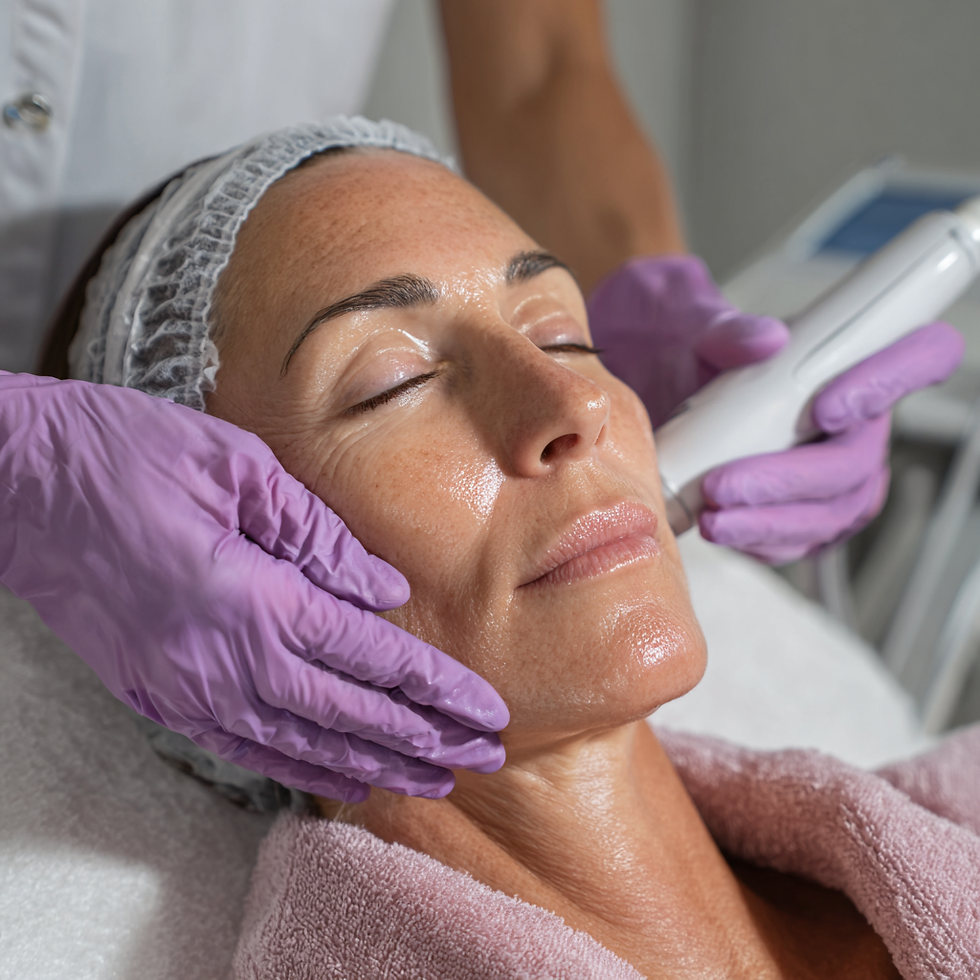
How Non-Surgical Skin Tightening Works (RF vs Ultrasound)
How do RF and ultrasound actually tighten skin without surgery? You’re leveraging controlled thermal injury to trigger neocollagenesis and elastin remodeling while preserving the epidermis. With radiofrequency (RF), electric current creates resistive heating in the dermis and sometimes subdermis; temperature monitoring and impedance control help keep energy delivery predictable. With ultrasound, focused acoustic waves concentrate heat at specific depths, creating tiny coagulation points that stimulate a wound-healing cascade.
You’ll get safer, more consistent outcomes when you match modality to tissue depth and anatomy, then document parameters and endpoints. Don’t buy into skin tightening myths like “one pass fits all” or “more heat is always better.” Verify practitioner qualifications, device clearance, and adherence to contraindications, especially for implants, impaired sensation, or active inflammatory dermatoses.
RF Skin Tightening: Best Areas, Sensation, Downtime
During treatment, you should feel controlled heat; providers aim for therapeutic temperatures while protecting the epidermis with cooling and motion. Pain is usually brief and manageable, but tell your clinician if you feel sharp, focal burning. Downtime is minimal: transient redness, swelling, or tenderness for hours to 48 hours. Rare risks include burns, blisters, or post-inflammatory pigment change.
Ultrasound Non-Surgical Skin Tightening: Depth, Lift, Downtime
Where does ultrasound actually tighten skin? You target the dermis and the superficial muscular aponeurotic system (SMAS) with controlled thermal coagulation points, placed at specific ultrasound depth to stimulate neocollagenesis and gradual tissue contraction. The lift mechanics rely on micro-focal energy, not bulk heating, so results build over 8–12 weeks as remodeling progresses.
Depth mapping: real-time imaging helps you avoid vessels, glands, and bone.
Lift vectors: you stack treatment lines to support brows, jawline, and submentum.
Sensation: brief, sharp heat spikes are typical; topical anesthetic may help.
Downtime: usually minimal; expect transient redness, swelling, or tenderness.
Prioritize credentialed providers, standardized protocols, and conservative energy near nerves.
RF vs Ultrasound Skin Tightening: How to Choose
Choosing between RF and ultrasound skin tightening starts with your anatomy and treatment goal, not marketing claims. If you need broader dermal heating for texture and mild laxity, you’ll usually favor RF, which targets the dermis with controlled thermal zones and can be layered. If you need structural lift at precise depths, ultrasound can place focal coagulation points deeper, nearer the SMAS, with imaging on some platforms.
RF vs Ultrasound: Safety Considerations include skin type, implantable devices, pregnancy status, neuropathy, and prior fillers; you’ll reduce risk by demanding standardized energy settings, real-time monitoring, and clinician training. For a Cost Benefit Analysis, compare total sessions, anesthesia needs, adjunct skincare, and opportunity cost from downtime, not per-visit price alone.
Skin Tightening Results: Timeline, Longevity, Aftercare
How soon will you actually see tightening—and how long will it last? With RF, you may notice early firmness from heat-induced collagen contraction within days, while ultrasound often looks incremental, peaking at 8–12 weeks as neocollagenesis matures. Longevity typically runs 6–18 months, depending on energy dose, baseline laxity, and lifestyle; plan maintenance rather than a one-and-done lift. Set patient expectations around subtle, measurable change—not surgical repositioning.
Days 1–7: mild swelling; don’t judge final skin tightening yet.
Weeks 2–6: texture and contour start to refine.
Weeks 8–12: peak tightening and definition.
Months 6–18: gradual fade; schedule touch-ups.
Aftercare: strict photoprotection, gentle skincare, avoid heat/exfoliants 48 hours, and report blisters, prolonged pain, or numbness.
Frequently Asked Questions
Can RF or Ultrasound Skin Tightening Be Done During Pregnancy or Breastfeeding?
You shouldn’t get RF or ultrasound skin tightening during pregnancy, and you should usually delay it while breastfeeding. Evidence is limited, so clinicians default to avoidance. For RF safety during pregnancy, manufacturers and most practices list pregnancy as a contraindication because heat and current dispersion haven’t been validated for fetal safety. For Ultrasound contraindications during breastfeeding, data are sparse; avoid treating breasts and postpone elective energy procedures until lactation ends.
Do Fillers, Botox, or Threads Affect Candidacy for RF or Ultrasound?
Yes—fillers, Botox, and threads can affect whether you’re an ideal candidate for RF or ultrasound. For fillers candidacy, you’ll need careful mapping: heat or ultrasound energy may soften or shift some filler, especially if recently placed. Botox usually doesn’t limit treatment, but timing matters to avoid diffusion. For threads considerations, you should delay energy-based tightening until threads have integrated, typically several weeks, and avoid targeting thread tracks.
Is Non-Surgical Skin Tightening Safe for Melasma or Darker Skin Tones?
Yes—when you choose the right device settings and an experienced clinician, non-surgical tightening can be safe for melasma and darker skin tones. Prioritize melasma safety by avoiding excessive heat, aggressive passes, and post-treatment inflammation, which can trigger hyperpigmentation. For skin tone suitability, ask about track records in Fitzpatrick IV–VI, conservative energy protocols, and test spots. You should use strict sun protection and pigment-stabilizing skincare before and after treatment.
Can Autoimmune Conditions or Thyroid Issues Impact Treatment Safety or Results?
Yes—autoimmune conditions or thyroid issues can affect safety and results; surprise, your immune system doesn’t RSVP to your “quick lift.” You’ll need autoimmune considerations: active flares, immunosuppressants, or poor wound-healing can raise adverse-event risk and blunt collagen remodeling. Watch thyroid interactions: uncontrolled hypo/hyperthyroidism can alter edema, healing, and energy tolerance. You should stabilize disease, share meds and labs, and get clearance from your treating specialist before treatment.
How Much Do RF and Ultrasound Treatments Cost, and Are Packages Available?
You’ll typically pay $300–$800 per RF session and $1,500–$3,500 for ultrasound (often one session), reflecting regional pricing trends, device type, and treatment area. Package availability is common: RF often comes in 3–6 session bundles with 10–25% savings; some clinics bundle ultrasound with RF “maintenance” visits. Choose providers who quote total expected sessions, document parameters, and include safety screening and follow-up.
Conclusion
You’ve seen how RF heats collagen for gradual firming, how ultrasound targets deeper layers for a measurable lift. You’re not choosing hype; you’re choosing depth, comfort, and downtime. You’ll prep well, you’ll treat safely, you’ll heal smart. Expect a subtle change in weeks, clearer tightening by 2–3 months, and maintenance as advised. Protect results with sunscreen, hydration, and gentle skincare. If you’re pregnant, have implants, or active skin disease, you’ll get medical clearance first.


Comments